Powered By Blogger

Wednesday, February 25, 2009

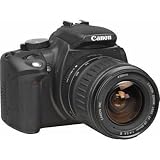
Canon EOS Digital Rebel XSi 12.2-Megapixel SLR Camera Body with Tamron 28-80mm and 70-300mm Lens + 8GB SD Memory Card + LP-E5 Battery + Case + Bonus Accessory Kit

Kit includes: 1) Canon EOS Digital Rebel XSi Body; 2) Tamron 28-80mm Lens; 3) Tamron 70-300mm Lens; 4) 8GB SDHC Card; 5) Spare LP-E5 Battery; 6) SD Card Reader; 7) Memory Card Storage Wallet; 8) SLR System Case; 9) Image Recovery Software; 10) Microfiber Cleaning Cloth ♦ For stunning photography with point-and-shoot ease, look no further than Canon's EOS Rebel XSi. The EOS Rebel XSi brings staggering technological innovation to the masses. It features Canon's EOS Integrated Cleaning System, Live View Function, a powerful DIGIC III Image Processor, plus a new 12.2-megapixel CMOS Sensor. The EOS Rebel XSi's refined, ergonomic design includes a new 3.0-inch LCD monitor, compatibility with SD and SDHC Memory cards and new accessories that enhance every aspect of the photographic experience. ♦ The Tamron 28-80mm is a terrific walk-around lens for landscapes, group shots and portraits. Superior aspherical optics provide improved image resolution throughout its zoom range. ♦ The Tamron 70-300mm is a compact, lightweight, ultra-tele zoom that is ideal for taking pictures at a distance. This versatile lens has macro capability with a magnification of 1:2 for incredible half-lifesize close-ups. ♦ Take more pictures with this Transcend 8GB High-Capacity SecureDigital (SDHC) memory card. ♦ Increase your shooting capacity with this powerful LP-E5 Lithium-ion rechargeable battery. ♦ Transfer files quickly and easily with this USB 2.0 SecureDigital (SD) Card Reader. ♦ Retrieve lost or deleted images from your memory card with Image Recall Digital Image Recovery Software. ♦ Made from durable nylon, this case will easily hold your camera, lenses, flash and accessories. ♦ Retrieve lost or deleted images from your memory card with Image Recall Digital Image Recovery Software. ♦ Keep your camera and lens smudge-free with this handy microfiber cleaning cloth.
Customer Review: WARNING
Take care about this: They sale a KIT but they don't delivery as you bought. If is missing any item, they will send to you misspeled parts. And you will have to complain a lot to get back your money.


Ansel Adams was born on February 20, 1902 in San Francisco. He became one of America's most well-known and beloved photographers during his lifetime. Adams is acclaimed for his detailed black-and-white images of landscapes, especially throughout Yosemite National Park and the Sierra Nevada mountain range in California, but his work actually covers everything from natural landscapes to architectural photos and even shots of Los Angeles freeway interchanges.

His style is stark black-and-white, with an obvious appreciation for shadow, light, and the many nuances these elements can produce in a well constructed photograph. He treats each image as a detailed and extremely sharply focused view from edge to edge, but the most striking thing about his photographs is his obsessive concentration on shadow and light, using natural light to highlight just the trunk of a tree or the sensual curve of a freeway on ramp. Adams was a master of light and darkroom development, and that is the style he developed and is most remembered for during his career as a photographer.

His severe black and white images showed greater depth and detail than other landscape photos of the day, which helped make his work unique and very collectible. He worked all of his own negatives in the darkroom, dodging and burning areas that he wanted to highlight or downplay. He could spend entire days and nights feverishly working until he got his intended results from the negatives.

As he became a more experienced photographer, Adams gradually developed a system for creating and developing his negatives that he called the "Zone System." This system was a scientific system that he used to effectively manipulate the tonality of the photo. A photographer could see an image, and perfectly recreate it in the finished photograph. The system revolutionized the way photographers shot and developed their work, and photographers everywhere began to use the system that is still in use today.

Adams also helped form a ground-breaking photography group, called Group f/64. It was named after the lens aperture that allows the greatest depth of field and detail in photography. The organization only lasted formally about a year, but it made history by encouraging photographers to use detail and to create photography that only celebrated the art of the photograph.

Although Adams died in 1984, his work is still extremely popular today, and it has been reproduced in everything from calendars to posters and coffee table books. He felt deeply about using his photography as art, and totally understanding the medium and its technicalities, in order to produce the best work possible. Some of his most famous works include "Moon and Half Dome," "Sand Dunes - Death Valley," "Nevada Fall, Rainbow," and "Canyon de Chelly."

Mark Traston is an associate with Portrait Painting A portrait artist will turn your photo into an oil painting. Our artists specializes in a specific area including wedding paintings, pet portraits, and house portraits

Wide Collections of GPS & Accessories

Monday, February 23, 2009

8 AA NiMH Rechargeable Batteries with New Advanced HYBRID Technology - Holds charge 4 Times longer. Replaces all nimh batteries, & made for use with CANON PowerShot A560 A570 IS A610 A620 A630 A640 A700 A710 IS S1 IS S2 IS S3 IS Digital Camera

Why is the Hybrid AA battery better?atxery is the next step in battery evolution. Original Alkaline batteries could only be used once and had to be thrown away. Bad for the environment, and bad for your wallet. Why throw money away? Nimh Rechargeable batteries were the solution, they could be used over and over again, but they had to be charged right out of the package, and would slowly drain even when not being used. If left sitting for a few months after being charged it would drain completely. The latest and greatest battery technological improvement, the Hybrid AA, overcomes these limitations by being ready to use right out of the package and holding it's charge up to four times as long. You can charge your batteries and they will be ready to go when you need them, no more charging immediately before use. *These batteries will work with any device that uses AA batteriesses AA batteries. Place them in your Emergency/disaster kit and they will be ready when you need them or simply use them daily for all your electronic devices
Customer Review: Hybrid are the way to go
Accessory Power Hybrid batteries combine the best features of Alkaline batteries and normal nimh (nikel metal hydrid) rechargeable batteries. Normal nimh recharge batteries loose their charge very quickly, even if not being used. They have a very short shelf life. Alkaline batteries have a very long shelf life, but they can't be recharged. Hybrid batteries are the best of both worlds. You can recharge them and they have a very long shelf life. Even better they can be charged in any battery charger, or in your camera, IF your camera allows in camera charging You can use Hyrid batteries right out of the package. FYI since even hybrids loose there charge over time when sitting in a retialers warehouse, I highly recomend that you charge the batteries before using them the 1st time. After that you are good to go. These batteries also come with a 3 year warranty. Think about all the money spend on 1 time use Alkalines and start saving with the new generation of Hybrid batteries
Customer Review: My 6-month Rayovac Hybrid honeymoon is over...
I bought 2 sets of these batteries for my Canon PowerShot A630 back in January 2008, and everything was fine until a few weeks ago (late July 2008), when I was unpleasantly surprised to see my camera's "low battery" warning light coming on much sooner than usual for these particular batteries. Given that I've been using two sets of these batteries interchangeably (I marked them so that I could tell them apart), I'd estimate that each set has only been recharged around a dozen times. I've been using my Energizer "slow" charger all along, and I've noticed lately that the batteries seem to be getting quite warm -- I'm assuming that's a sign of trouble... Go figure... After a terrible experience with Energizer non-hybrid 2500mAH batteries last year, I'm beginning to lose hope in rechargeables...


Have you been looking for a good quality laser printer? If you want to get the best quality within a tight budget then look no further! Here we provide you a list of the top color laser printers in 2008 which fall under the 600 dollar bracket!

Knowing what you want

The first rule of thumb even before you actually go ahead shopping for your favorite color laser printer is to know what you want! What are your expectations in terms of print quality? Do you want the printer to print high resolution pictures with high finish? Do you need to print a large number of documents on a daily basis? If so, then would you prefer a laser printer which can take on bulk print jobs. You also need to assess the economical factors like how much you can afford to shell out. Maybe you are looking for a laser printer under 600 dollars but what is the ballpark figure you can afford? Having answers to these critical questions will make you better prepared on your next shopping spree.

Lexmark X520

The Lexmark X520 comes at 699 dollars which is a tad higher than the 600 dollar budget but it is worth every penny spent! This is a holistic all-in-one laser color printer. In addition to the perfunctionary laser printing it also acts as a fax machine and even a scanner. It even functions as a copier and sends email too! Therefore it certainly is a well rounded package and considering these features the price is very reasonable.

Samsung CLP-300N

The Samsung CLP0-300N is priced at an unbelievable 300 dollars - the lowest in our list! The compact and lightweight design is an added attraction in this color laser printer. The good thing about this printer is that it comes along with a network connector which facilitates easy connectivity with your home or office network. The small color laser printer does not take up much room in any interior and delivers more than what you would expect from its price.

Ricoh Aficio SP C210

This color laser printer certainly has a host of qualities considering the price range it comes at! Starting prices of this laser printer model are from 350 dollars and the maximum price is at 1068 dollars. The printer is able to print black and white images with a rapid pace while color images are comparable in terms of speed with some of the best in the market today. The only drawbacks in this color laser printer would probably be in its bulky size and large weight. The significant advantage of the Ricoh Aficio SP C210 is in its ability to handle large paper capacities. One drawback is in its driver which does not automatically detect the optimal color mode.

This Article is written by James Kara Murat from PrintCountry.com, the contributor of Printer Reviews. More information on the subject is at Best Color Laser Printers of 2008 under $600, and related resources can be found at Canon Ink Cartridges.

Wide Collections of GPS & Accessories

Canon PowerShot S3 IS CheatSheet

Handy, laminated, waterproof, short version instruction manual for on the go. 8-1/2 x 11" double sided printed, folded in thirds


This is part two in a series of articles I am writing to help beginning wedding photographers. Wedding photography is a difficult and very challenging undertaking! Are you willing to dedicate 110% of your efforts to record the best possible photos?

Some will likely read this article and think No, way! I dont have time for that! Others will read it and think This is great! Im going to invest lots of time so that I can be as prepared as possible. This article is written for those of you in the latter category.

As I previously shared, I remember spending more than a hundred hours working HARD to prepare for my first wedding. I want to help you channel your effort and time into some productive ways to prepare for your upcoming wedding.

Prepare Your Equipment

Do you have equipment that is up to the wedding photography challenge? Preferably a DSLR with at least 5 megapixels of resolution. What about a backup camera? Do you have a selection of lenses? Flash strobes? Lots of batteries? A tripod?

Those are the basics. But it goes far beyond that.

Do you know your camera inside and out? Do you know ALL the settings? Is the sensor clean (taking a photo of the sky - but not the sun - will tell you if there is dust and the sensor needs to be cleaned). A critically important wedding photography habit is to regularly scan all of your cameras settings throughout the day. Every time I am waiting for the bridal procession to start, I will review the critical settings on my camera (exposure mode, auto-focus, ISO, shutter speed, f-stop, flash settings, white-balance, file size, etc. etc). When taking formals, I will first review the settings on my camera. When changing from inside to outside I review the settings. What would happen if you accidentally changed the file-size setting on your camera and, at the end of the wedding day, found out you were shooting at low resolution all day? What if you thought you were shooting RAW images all day and, at the end, found out you were shooting low-quality JPG's? (these are the types of mistakes that cannot be allowed or tolerated in the realm of wedding photography)

There have been many times that I have been shooting outdoors and all of a sudden realized my ISO was set to the indoor setting: 400. Or, Ill take a shot and realize the auto-focus was turned off. The auto-focus is especially easy to miss when using a 17-35mm wide-angle lens. I sometimes turn off my auto-focus on wedding day, the most common cause is when I am trying to photograph a group without them realizing that I am watching them. When trying to get a really good photo journalistic shot of a group I will compose and take a quick photo of them (even if they arent smiling/laughing right then). Ill check my lighting and then (sometimes) shut the auto-focus off. Ill face away from them and watch them out of the corner of my eye. When someone says something funny and everyone laughs I am then ready to bring the camera up for a really quick shot (which will be perfectly lit, exactly focused, and well composed). I will also sometimes shut the auto-focus off when taking formal photos.

Even the batteries for your flash are important. I use a battery pack to power my Nikon flash, but I used to use AA batteries. The lithium batteries are expensive, but they do a much better job powering your flash head. Regular AA batteries begin to lose power almost immediately. Lithiums continue putting to a good amount of power until the very end when they suddenly die. Before I had my battery pack I would purchase 4 lithium AAs and then a whole bunch of regular Alkaline AAs. Once the Lithiums died, I would switch to Alkalines. Be careful of rechargeable AAs. They often dont last as long or recharge as fast as Alkalines and if you are shooting with a lot of bounce flash the batteries will often be worked so hard they will get warm. Recharging warm batteries is asking for trouble.

A flash bracket may be helpful for shooting vertical images. Not necessary if one is using bounce flash, but it still makes the transition from horizontal to vertical quicker and easier. I MUCH prefer the simple brackets that are manufactured by Newton instead of the Stroboframe brackets.

Having one flash strobe (preferably the top-of-the-line Nikon or Canon strobe to go with your camera) is important for indoor, well-lit, photos. Having a second flash head is important as a back-up piece of equipment. It is true that real professionals will always have two of everything that is critically important. When you are beginning your backup equipment may not be an exact copy of your main piece, but you have to address all contingencies. On more than one occasion I have borrowed (while assuming full liability and promising my friend that, if damaged, I will purchase them a new piece of equipment) a piece of equipment as backup although, thankfully, have never needed to use it.

Im running out of space once more but there is so much more to talk about!

- Spend Time Online

- Get Several Wedding Photography Books

- Spend Time with the Couple

- Prepare a Shot List

- Practice the Shot List

Ill continue writing about preparation Part 3 and beyond!

Christopher Maxwell is a photographer in the Kansas City area. He has a web site that shares some Beginning Tips for Wedding Photographers He shares practical advice and information that he has learned while photographing weddings. Additional Wedding Photography Tips:

Part 1, Learn about exposure

Wide Collections of GPS & Accessories

Saturday, February 21, 2009

Canon PowerShot A710 IS 7.1MP Digital Camera with 6x Image-Stabilized Optical Zoom

Owning a digital-camera can be easier and more fun than ever. The elegant A710 IS is fully equipped to help busy families capture and hold onto special memories. You'll get up on the stage and down on the field with a powerful 6x optical zoom, and Canon's Image Stabilizer Technology will keep your images clear and sharp at every point in the zoom - even in low light. With 7.1 megapixels of resolution, you'll see uncommon depth and detail in your images. Such high resolution also ensures virtually unlimited freedom to enlarge and crop an image for powerfully expressive photography. With a menu of selectable shooting modes (including still and movie), Canon Powershot A710-IS makes picture taking simpler and friendlier. Shutter speed - 15-1/2000 sec. Focus settings - Normal shooting at max wide angle, Large and Fine. Built-in multimode ElectronicFlash ISO Shoot Speed - Auto, High ISO Auto, ISO 80, ISO 100, ISO 200, ISO 400, and ISO 800 equivalent Single Shot, Continuous Shooting, Self-timer (10 sec., 2 sec., Custom) White Balance Settings - Auto, Day Light, Cloudy, Tungsten, Fluorescent, Fluorescent H Shooting Modes - Night Snapshot, Kids&Pets, Indoor, Foliage, Snow, Beach, Fireworks, Underwater, Color Accent and Color Swap PictBridge and Canon Direct Print modes USB 2.0 Hi-Speed (mini-B) for image transfer to PC or Macintosh computer Audio/Video output to TV (NTSC or PAL selectable, monaural audio) Typical CIPA battery power (2AA) - Still Image - approx. 100 shots (AA-size Alkaline Battery), approx. 360 shots (AA-size Ni-MH Rechargeable Battery) Dimensions - 3.8 x 2.6 x 1.6 inch (97.5 x 66.5 x 41.2 mm) excluding protrusions Weight - Approximately 210 grams (7.4 ounces) (camera body only) A 16MB SD memory card is included. We suggest that an optional 512MB (or higher) SD card is a wiser choice for practical use
Customer Review: GREAT CAMERA
I BOUGHT THIS CAMERA AFTER RESEARCHING AND READING A LOT OF REVIEWS. I DECIDED ON THIS ONE BECAUSE OF THE PIXELS AND ZOOM FEATURE. I HAVE TAKEN THOUSANDS OF PICTURES AND AM VERY HAPPY WITH THE PICTURE QUALITY OVERALL. I HAVE NOT USED A LOT OF THE FEATURES ON THIS CAMERA BECAUSE THE AUTO FEATURE WORKS GREAT IN LOW LIGHT AND EVEN NO LIGHT. I USE THE PHOTO QUALITY BATTERIS AND THEY LAST QUITE A LONG TIME.
Customer Review: Perfect Camera once shutter recharge lag was solved.
I purchased this camera a few weeks ago. It offers a lot of features in a small package. I like that. I have a full-sized digital SLR camera, but wanted something to carry around easily in my purse or pocket. When the camera first arrived, I seriously considered returning it because of the L-O-N-G flash recharge. It would sometimes take 3-5 seconds before the next picture could be taken. It was only after I purchased the camera that I discovered that the A710 is well-known for this problem. However, the problem has been solved. Here's the changes I made: 1) Used high-quality rechargeable batteries. (Be careful of the rechargeable batteries as they lose charge just sitting around. Choose the pre-charged type.) 2) Set the camera on AV mode. 3) Purchased the Transcent SDHC Class 6 8gb SD card offered here on Amazon.com. I just received the card in the mail today, so I immediately put it into the camera and tried it out. The results were AWESOME. The flash recharge problem disappeared. I guess a large part of the lag time was writing the picture to the memory card. I will never buy a "regular" SD card again!


Will a better camera ensure that you take better pictures? The short answer is of course "yes". The slightly longer answer is of course equally obvious "it depends". I like the long answer myself, as the inevitable follow up debate is far more interesting. Perhaps though what you should be asking is, "Will buying a Canon EOS 40D Digital SLR Camera ensure I take better pictures?". Of course you already know "it depends" is the answer. But, exactly what does it depend on?

I depends on several things. First of all, what's your photographic history? If all you've ever taken pictures with are simple point and shoot cameras, then you better be committed to learning. The EOS 40D has a myriad array of features and quirks you'll need to understand. The most obvious one being that you can't frame your photos with the LCD. Coming from a point and shoot world, most users would think there's something wrong with the camera. In reality, that's just the way SLR cameras are designed. It basically means you need to use the viewfinder, which shows you the truest representation of your image before you press the shutter button.

If that's a problem for you, then stick with the point and shoots, or keep your eyes open for the next few months as Canon and other manufacturers start to roll out SLR cameras with something called "Live View".

Another reason to stay away from buying a Canon EOS 40D, is something those of us that own boats like to call 2 footitis. It's simply a condition where it doesn't matter what you have or how good something you own is... you always want something bigger and better. Buying the latest and greatest camera can be both a slippery and expensive slope. I've heard from one EOS 40D owner, who really grew to hate his 40D simply because it couldn't compare with the color reproduction of another SLR camera that cost almost $700 more. Not to hard to guess what he did. He got a new camera, and eBay got another listing for a barely used Canon EOS 40D.

So, back to the original question. Will buying the EOS 40D ensure you take better pictures? It depends on whether you put in the time to learn what the 40D is capable of, and then taking the time to put that knowledge into practice... by practicing. It depends on whether you understand the principles of what makes up a good picture. Composition, lighting, good timing, artistry, and knowing when and when not to squeeze the shutter. That's what enables you to take better pictures.

Wide Collections of GPS & Accessories

Thursday, February 19, 2009

Cameta Microfiber Cleaning Cloth - 3 Pack

Under normal use, your digital camera's LCD monitor screen and optics usually become soiled with fingerprints, oily smudges and other contaminants. It can be really frustrating trying to clean the LCD monitor safely and completely without smearing using typical lens tissue or lens cloths -- especially out in the field. The Cameta Microfiber Cleaning Cloth is designed using the latest 21st Century technology to perform this task quickly, safely and easily. Without using any potentially damaging chemical treatment as some cloths do, the Cameta Microfiber Cleaning Cloth is able to magically clean virtually at a microscopic level due to its unique fabric construction and scientically advanced fiber design. It works great on all optical surfaces such as your camera's lens, viewfinder, filters and auxillary lenses as well as your eyeglasses and sunglasses. As an extra bonus, it is terrific for cleaning those inevitable and annoying fingerprints off your CD's and DVD's. On top of all this, it's re-usable. After many repeated uses, it can be washed and dried to perform just like new.


Don't do it. At least not till you've finished reading. I know, you've been researching the Canon Digital Rebel XTi, for weeks, or even months before getting here. And, I'm sure you've read umpteen glowing reviews, recommendations and five star ratings heaping wonderful praise on the Digital Rebel XTi. Many of those were sincere I'm sure. But, it's important to examine the flaws as well. That way you can make an informed decision and be confident your getting the best camera for you.

First of all, lets look at your own skill level as a photographer. If your like many perspective Rebel XTi purchasers, all the cameras you've owned in the past, have been basic point and shoot cameras. You've probably never messed with the exposure settings, ISO settings or even gave a second thought to something like burst mode, or f-stop. While the XTi does give you the ability to continue shooting pictures that way, it would be a mistake to do so. Photos taken with the XTi using the default factory auto settings tend to be quite underexposed. Not something you would expect from a $600 camera. Bottom line is, don't assume the Rebel will take better pictures just because it's a better camera . . . your going to have to upgrade your skills as a photographer to get better pictures.

Taking pictures in burst mode on your Rebel (or any camera) is one way to hedge your odds of getting at least one good picture. Professional photographers do it all the time. Your going to be somewhat limited when doing that with the Rebel. It tends to freeze after taking twenty or so pictures. If the flash is not in use, then this shouldn't be an issue. But, if it is, the Rebel does it to protect the flash. Really no way around it, it works that way by design.

Don't count on using the LCD screen for taking your pictures. It's a non-option with the Rebel XTi. You'll have to stick with the optical viewfinder. It's what the pros are used to, and the XTi comes from a long line of predecessors catering to that market. Expect that to change in the future as technology advances, and manufacturers (Canon and others) bow to consumer pressure.

Well, that's about it. Just a few problems, but some you should be aware of. Some other SLR cameras will have the same problems, and others wont. What's important, is to give careful consideration to how plan to use your camera. That's the main thing, and should pretty much guarantee you get the perfect camera for you.

Wide Collections of GPS & Accessories

Sunday, February 15, 2009

Underwater Case for the Following Canon Powershot Digital Cameras: S300, S230, S200, S110, S100, A400

The DiCAPac WP-400 is an all-weather vinyl case for compact digital cameras (with short zoom lenses) that lays nearly flat for storage and is totally waterproof up to 16 feet (5 meters) deep! Constructed from thick, high-grade vinyl with a UV-coated polycarbonate lens cover, the DiCAPac is designed to keep your camera clean and moisture-free in almost any environment. The patented "Roll & Velcro" zipper closure system provides two levels of protection to keep your case completely watertight, while the clear panels and flexible material allows you to maintain complete control over all your camera's functions. Best of all, the DiCAPac is extremely lightweight and can be tucked away in a pocket or small bag, making it by far the most convenient option for complete all-weather protection for your digital camera, not to mention the most affordable!


The CANON EOS Rebel XSi offers two different body designs. An attractive solid black and a less-attractive two-tone silver and black model. Both models comes in a body only or single lens kit with the EF-S 18-55 mm f/3.5-5.6 IS lens. The XSI is slightly larger than the XTI, the XSI takes off a couple of ounces, making it 1 pound and 2.5 ounces. The plastic body gives it a feel and appearance of a cheaper brand camera. The grip is not entirely desirable either. The larger 3 inch LCD screen provides some necessary changes to layout control over the XTI model. Almost all the buttons are easily accessible with your fingers, making it ideal for easy picture taking. There is no two-hand operation needed with this camera. With one hand you can fully navigate between changing ISO, white balance, metering and so on. The menu makes navigation very easy.

Regardless of the XSI's pros and cons, it still delivers the best in it's class photo quality, which is quite a surprise, given the high-resolution sensor. One nuisance is the tendency to underexpose photos. You might just need to kick the sharpness settings up a notch to deliver better quality photos. The color accuracy, dynamic range and consistently good noise reduction profile clearly puts this model in front of similar class cameras. This camera also features internal and external flash and the lenses render extremely good edge-to-edge sharpness when taking pictures.

The CANON EOS Rebel XSi will deliver slightly better performance and picture quality than it's competitors, making it a worthwhile consideration. In tests, the XSI just edges past its competition for shooting speeds. It powers to photo in no more than 0.2 seconds. The XSI's JPEG shooting lag is a tad bit longer than it's competitors. The norm is 1.2 seconds between takes in dim conditions. Shot-to-shot time takes about 0.4 seconds for a raw JPEG and adding flash recycling time bumps this time up to only 0.7 seconds.

Let's take a look at some of it's advantages at a glance: Excellent photo quality for it's class and price and a better-than-average shooting speed.

Now let's take a look at some of it's disadvantages: First off, the maximum ISO is 1600 and the camera has a huge spot-for-spot metering response.

Overall, this camera does not stand out for it's feature set or design, but the CANON EOS Rebel XSi does deliver on performance and excelled photo quality. Overall, this camera gets 8 our of 10 stars. The price of this camera ranges from $625-$899.

For more information on how you can buy digital cameras cheaply please visit our Digital Camera website

Wide Collections of GPS & Accessories
Saturday, February 14, 2009

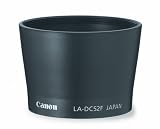
Canon LA-DC52F Conversion Lens Adapter for A510, A520 & A540 Digital Cameras

Lens adapter for Canon PowerShot A510 and A520 / Enables the usage of 52mm lens, filter and other 52 mm accessories
Customer Review: Canon Lens Adaptor/protector
Although this is sold as an adaptor, I consider it a must for Canon digital cameras. When I look on ebay, I see many Canon digitals with stuck lens status and I have read many reports of this problem; however, with this adaptor you may never need to worry about bumping the lens while extended again. It completely protects the extended lens and even a drop with the lens extended may not cause a problem if you have one of these adaptors in place. I have 5 Canon digitals and make sure that I have an adaptor if one is available. No problems so far. I dropped my S2-IS once, but with the adaptor in place - no problem.
Customer Review: Canon Lens Adapter
There's not much to tell. It's a simple part and does what it is designed to do.


STAY CONNECTED WITH FAMILY AND FRIENDS.

Making your own digital photo cards and personalized holiday photo cards is a lot easier than you think. All you need is your favorite photo or photos to get started. Soon you will have your own customized set of digital photo cards to send off to your family and friends for graduation day, birthdays, holidays and more.

Printable greeting cards are a great way to keep in touch with family and friends and show off your digital photos. Most online digital photos services offer customized photo cards, allowing you to create your own photo greeting cards for holidays, birth or wedding announcements, birthdays, invitations, thank-you notes, and more.

Creating Printable Photo Greeting Cards:

Photo cards are simple and fun to create. Online photo services such as Shutterfly and Ofoto make it easy to design high-quality customized photo cards using your own digital photos and personal message inside. Typically, photo greeting cards are printed on 5x7 card stock and you can choose from a matte or glossy finish. You just need to upload your digital photo (or photos) to the photo service, choose from a selection of layouts and greetings, and add your personal message. Photo cards usually come in sets of 20 with envelopes for mailing.

Shutterfly even let you import your addresses from Outlook or your Palm device and theyll send your photo greeting cards for you. Now isnt that a great way to take care of mailing your photo cards!

Software for Photo Greeting Cards:

You can also make your own printable greeting cards using digital photo software. There are several great programs with photo card templates for a variety of occasions. They make it easy to design your own customized Valentine Day and Easter photo cards or other holiday photo cards. Our two favorite programs for making our own printable greeting cards are FotoFinish and Adobe Photoshop Album. They both have templates for a variety of photo greeting cards including Valentine, Easter, 4th of July, Halloween, Christmas photo cards and other holiday photo cards.

There are many fun ways to use your digital camera. Get creative and enjoy!

Valerie Goettsch publishes the digital photography website http://www.digitalphotos101.com featuring reviews of photo editing and album software and digital photo printing services.

Wide Collection of Mbt Shoes

Thursday, February 12, 2009

TechFuel® Battery for Canon PowerShot SD1100 IS Digital Camera

This TechFuel® rechargeable battery pack is specifically designed to work with your Canon PowerShot SD1100 IS Digital Camera. TechFuel® rechargeable battery packs feature the latest battery technology, the highest quality components, and meet or exceed OEM specifications. TechFuel® battery packs are designed to last longer and have reduced memory effect. All TechFuel® products have a one-year limited warranty and a thirty-day money back guarantee. The TechFuel® name, images, and contents of this Batteryheads listing are protected by trademarks and copyrights. Copyright © 2008 Batteryheads
Customer Review: Great battery life
I bought this as a spare battery. It stands out with better battery life than the one Cannon gave with the camera I bought, and at a great price.


Technology has opened up a lot of opportunities for people. Things that were once very hard and complicated to deal with have now become so easy and convenient. It paved the way for us to be able to use the internet to send mail to anyone around the world, imagine the ease it brought us compared to the very slow snail mail process we used before.

Digital technology has also invaded the printing industry and it has made things easier to handle. The best thing about this is that printing costs have gone so much cheaper because of the presence of digital printing. The process is now more affordable for you and whatever type of business you are part of.

Digital Printing

Digital printing is the process of printing wherein your digital prints could be printed in a faster time without having to sacrifice its high quality. It has made the long and typical way of printing a shorter and a more convenient experience for you.

The Printing Flow

Digital printing has eliminated some of the long and arduous steps that a typical printing machine gives you. It lessens the printing time and at the same time it provides a more affordable printing price. If you are for faster turn around times, then you should opt for digital printing because its flow is much shorter than the one of offset printing.

Digital printing only goes through a short process. Let us say you want your pictures printed then, what will happen is this. Once the pictures are already taken, all you have to do is transfer your pictures to the computer that is attached to the digital printer. While it is on the computer, you would already be able to make all the necessary adjustments that you would desire for your image. Right after this, you could now pass the image to the printer and have it printed. This may not be your long and ideal process of printing images but I tell you, digital printers are highly capable of coming up with print jobs that could easily match the quality that your conventional printers come up with.

Pros and Cons

Just like in any printing process, there are certain advantages and disadvantages that you may encounter. One advantage of digital printing is that you could explore more and maximize the colors that are available for you to use. Because offset printing only mixes and matches four colors to come up with the other colors, some of the colors may not be accurate already but with digital printing, you could always expect a precise print most especially when it comes to the colors and details.

The disadvantage of digital printing on the other hand is that it fades faster compared to offset printing if you do not handle it well. Digital prints do not have protective coatings while the other type of printing has it. This means that the prints you do digitally are nit fully protected from the harsh elements of nature. It has no UV protection coating.

There would seem to be no problem just as long as you maximize the use of your digital prints well. Keep in mind that if you manage it well, then it could give you good results.

Loves to read and talk anything under the sun. From current events, magazines, social life, metro lifestyles, traveling etc. Not a born writer but experience could make a difference. He also loves to eat especially travel in different places. Going to beaches and mountains really completes his life.

For more details you may check out Digital Printing

Wide Collection of Mbt Shoes

Wednesday, February 11, 2009

(4 in 1 Nb-3l Professional Kit) Kroo Camera Case for Canon Powershot + Nb-3l 3 in 1 Charger Set for Canon Powershot + Li-ion Battery for Canon Nb-3l Compatible Digital Cameras

Compatible with Canon PowerShot SD500 Canon PowerShot SD550 Canon PowerShot SD10 Canon PowerShot SD100 Canon Powershot SD110 Canon Powershot SD20


Are you struggling to know how to use a camera? Are you confusing and frustrated with all the buttons on your camera? This article will attempt to demystify that camera of yours.

Probably the easiest thing you can do to learn how to operate your camera is to open up the camera manual that your camera came with. After you open it you really want to read it a few times and have a highlighter with you to underline important things you want to know.

Every camera is different and has different menus and settings .However, all cameras have a few common things.

Shutter Speed

All cameras have a shutter speed. Most automatic cameras even let you adjust this a good amount. Which is great since the shutter really lets you capture motion or action shots better. The shutter controls how long the light is let in to your camera. A long shutter would be 1/30 and a short one would be 1/500. Longer speeds make motion blurred like cars on the freeway at night turning into streaks of lights. A fast speed makes motion freeze. If you take a picture of a person jumping off a building with a fast shutter speed they will freeze in mid air in your photo. No blurriness will be evident.

Aperture Setting

The aperture in your camera controls the amount of light that is let in by adjusting the iris. The iris is just like our eyes. It enlarges in dark areas to let more light in and contracts when really bright. When you're in a sunny place a good aperture to use is something like f16. When you're in the shade a good aperture is something like f/5.6.

Al Sanez has a Free Photo course that teaches beginners digital photography tips. He also has another free program on how to Sell Pictures Online

Wide Collection of Mbt Shoes

Sunday, February 8, 2009

Canon EOS Digital Rebel XT 8MP Digital SLR Camera With 28-90mm Lens - Black

The Canon EOS Digital Rebel camera now has a new, faster, even smaller big brother. Sibling rivalries aside, the 8.0-megapixel Canon EOS Digital Rebel XT SLR adds resolution, speed, extra creative control, and enhanced comfort in the hand to one of the smallest and lightest digital cameras in its class. Even with its advancements in ergonomic design and technology, this easy-to-use EOS digital camera is compatible with all of Canon's EF lenses, including the EF-S lenses. Autofocus Made EasyUtilizing the same 7-point autofocus system as the EOS Digital Rebel camera, the new EOS Digital Rebel XT SLR is capable of analyzing where a subject is--even when it is off center--and almost immediately bringing it into focus. It can also analyze subject movement and automatically select locking or tracking AF modes as needed. These features simplify the camera's operation and optimize its performance. The Digital Rebel XT allows users to select locking or tacking AF modes independently, adding a new dimension of creative control. Designed for use with Canon EOS (and other EF compatible) SLR models / Fast and quiet micro USM focus motor / Macro Focus mode Weighs only 7 ounces
Customer Review: Canon EOS Camera
The service was great and they were not slow in answering any questions I had - I love the camera!!
Customer Review: Beautiful camera
It's a very good camera, as i was advised, canon is always the best, but you have to put the price


Stock photography pricing can be a bit of a mystery to a lot of photographers; professional and amateur alike. The good news is, photo pricing doesn't need to be difficult or complicated.

Most photographers should be able to find a print price guide or online calculator that works well for them most of the time. Most license fees can be determined simply by opening a price table in a book, or selecting a few criteria from an online price calculator. I personally believe every working photographer should have a print guide on their bookshelf and a pricing calculator bookmarked in their favorites so they can deal professionally with any enquiries.

However, they should also be able to come up with a 'number' on their own when the need arises.

There will be situations where you simply don't have access to your usual pricing tool. Other times you'll be put on the spot by a Client and not have immediate access to those resources. In other situations the guides simply won't cover the usage you're looking for.

What follows is a simple system I use to handle those situations. It's not 100% accurate and it's surely not foolproof, but once you're familiar with it, you'll be amazed at how closely your prices will match the other guides and calculators ... most of the time.

First of all though, all the standard disclaimers apply. This information is offered as personal opinion and you should educate and inform yourself appropriately before entering into any business negotiations. This is simply a process I use personally when I don't have the option of looking up a pricing table or a calculator!

It's a simple four step process:

1. I put an Exposure Value on the usage, from 1 to 10.

How prominently will it be displayed and as a result, how many people are going to see it? A value of '1' might be a thumbnail on a website that no one really visits, '10' could be a double page spread in a major international magazine for multiple issues over the course of a year.

2. I put Profit Value on the return the Client expects, again from 1 to 10

No matter what the usage, a Client will only ever want to use your photo if there is some value in it for them. Advertising uses have the highest values but any time a Client uses and image, there is going to be some value in if for them. So as an example, a '1' could be a small illustration in a non-profit trade magazine, a '10' might be an advertisement for a high ticket item.

3. I put an Intrinsic Value on the image.

I usually put the Intrinsic Value somewhere in the range of $1000 to $5000 depending on the quality, content and uniqueness of the material. I'm basically saying if I could make $5000 in lifetime sales from each of my very best images I'd be pretty happy, and the minimum I'd want would be $1000. There will always be exceptions; some will never make a single sale, others will make more $5000, but again, this is a 'comparative' process.

4. I make a simple calculation using those values.

Then it's a simple matter of multiplying 1 by 2 to get percentage figure, and applying that to 3 to get a dollar value.

For example:A Client wants to use an image at 1/4 page in a national magazine, 50,000 circulation, inside editorial, one issue only.I consider the image quite good, but nothing spectacular, nor is it particularly unique or hard to come by.

1. Exposure Value (EV): I'd tend to put this in the low to medium range, so I'll give it a value of 4

2. Profit Value to the Client (PV): This one is obviously not a direct cash earner for the Client but it still has 'content value for the publication, so I'll give it a value of 3

3. Intrinsic Value: In this case I'll put a value on the image of say $1800.

4. Price = (EV x PV)/100 x RV

Price = 12/100 x 1800 Price = $216

Obviously this is very subjective and small changes can have a big impact ...

Add just one to each factor and you get:

Price = (5 x 4) x 1800 Price = $360

Take one off and it also changes considerably:

Price = (3 x 2) x 1800 Price = $108

At the top end of the scale: the double page spread we mentioned earlier, selling a high price item to an international audience would give you and EV of 10, a PV of 10, so my price would generally be pretty close to 100% of the Intrinsic Value I assign to the photo.

At the bottom end of the scale: you should know the minimum rate at which you can supply an image and cover your costs/overheads and still have a profit margin ... so if the calculated price falls below that, you simply quote your minimum rate.

Before you start using this method you do need to get a feel for what different uses are worth.

One way to do that is to do a little research and make a list with examples for each value for each factor ... write down 10 examples of Client Profit Values, 1 to 10. Then write down 10 examples of Exposure Values, again, one each for values 1 to 10. Then do some calculations, and compare the results to the price guides and calculators.

From that you'll be able to get a feel for how accurate your values are, and what sort of Intrinsic Value that puts on your photos!

Again I'll stress that this is only intended to be used when you need an estimate and don't have access to a proper pricing guide or calculator.

It isn't ever going to be 100% accurate, but it sure beats guessing!

The Stock Photo Price Calculator

A free online price calculator for any photographer wishing to know just what their photos are actually worth. Just follow a few simple prompts to select the usage criteria and the calculator does the rest. Now serving over 40,000 possible usage combinations!

This calculator is constantly updated using real-time feedback from hundreds of photographers around the world, so it is getting more accurate every day! Try it out, bookmark it and tell your colleagues! http://www.StockPhotoPriceCalculator.com

The Stock Photo Price Calculator is an initiative of OzImages International. The 100% Stock Photography Solution For Independent Photographers http://www.ozimages.com.au/photographers

Wide Collection of Mbt Shoes

Thursday, February 5, 2009

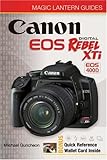
Magic Lantern Guides: Canon EOS Digital Rebel XTi EOS 400D (Magic Lantern Guides)

Michael Guncheon is a contributing editor for PC Photo magazine and is author of "Helpline," one of the magazine's oldest and most popular columns. He has also written for Digital PhotoPro and Outdoor Photographer magazines. His resume includes a long list of professional assignments in video and film editing, which includes commercials, music videos, and documentaries. He has taught technical seminars and is a member of the Society of Motion Picture and Television Engineers. This replacement for the ever-popular Rebel XT is destined like its forerunner to become one of the top-selling amateur category digital SLR cameras. Written by the author of the Magic Lantern Guide: Digital Rebel XT, this information-packed covers every feature! This Magic Lantern Guide has the answer to all their questions, because it explains in detail how to use all the wonderful enhancements: its ability to save large and fine resolution images direct to the CompactFlash Card, its user-selectable metering; and its single plate, high sensitivity, high resolution color CMOS imaging sensor technology, and the XTi's special feature
Customer Review: Excellent Information
This is an amazing read if you have this camera, has a lot of great information about the XTi/400D. It's worth getting because it comes with a handy wallet info card that you can reference at any time. Anyway, great product!
Customer Review: A Must Read for either xti or xsi
This book was well worth the money. Very well written and illustrated. Covers much more that the manual that came with the camera and explains the Hows and Whys. Would buy again.


If you check that the background is clear of strange obstacles, trees, shrubs, branches or other items that will ruin an otherwise perfectly good photo, that you will be rewarded with a memory card full of wonderful memories, not a bunch of images that you will need to slave over the computer on to get them looking right.

Apart from making sure the camera is held straight, and that the lens cap is off, and your finger is not in front of the lens, the first thing you should look at is the background. This is where most problems occur because the photographer is looking at the subject, not the background. If you do not check the background first, you could end up with tress and other things growing out of the heads of the subjects or worse.

With the advent of digital cameras, it is an easy task to check that the photo looks good, at least on the small screen of the camera. You can tell if there are problems and make any necessary corrections on the spot. Be careful not to get caught up in the emotion, and forget to check these things. Just remember, every time you hold the camera up to take a photo, look at the background, then the subjects, then take the photo.

Also, you need to be aware of where the sun is when taking photos outdoors. When the sun is in front of the camera, you run the risk that the cameras light sensor will expose for the sun and not your subject. Your photos will be very dark as a result, although you will get a lovely exposure of the sun. And, be very careful if you are pointing the camera in the direction of the sun, as the sensor could be damaged if exposed to such a bright light for too long.

If you are taking photos for a bride and groom, then this information becomes even more critical. In fact, if you are taking photos for anyone who is paying you, then you need to make sure each and every photo is perfect. If you do not plan every photo, you leave yourself open to failure. That means a nice enjoyable day taking photos and making some money to boot, becomes your worst nightmare. Remember, plan to succeed and take care of the small details, and you will have fun and make some money along the way.

Whenever you take photos at a big event, whether or not you are being paid, checking the background is critical to taking good photos. Now, instead of just making sure that the background is not causing a problem, you now need to be looking at the background for photo opportunities. In the church or at the reception, you need to be constantly searching out suitable backgrounds to use for the bride and groom and the bridal party. Look for backgrounds that will enhance the overall photo, like a waterfall or fountain, a beautiful sunset, a garden or even a lake or the moon. If you are interested, there is an excellent photo on the blog that shows exactly how good a background you can find if you keep looking like this office complex in Phoenix AZ. This is an example of spotting a suitable background, and then making sure the bride and groom follow the photographers direction, in order to take some stunning photos that will sell.

This office complex had such a beautiful wooden staircase, that it was an obvious choice for some photos of the bridal party. In this situation, and wherever you possibly can, if the groom is shorter than the bride, make sure you position the couple in such a way that the groom will look taller. Even if you use an object to add some height. Use whatever you can to make the groom look taller. It may seem silly at the time, but the photos will look much better, you will sell more photos and hence make more money. The bride and groom will also appreciate your efforts to make their photos look their best.

This will be a great advertisement for your skills. People will see the thought and care you put into every picture you take, and they will tell their friends. The best form of advertising is word of mouth. You should always have lots of cards or promotional materials with you. Make sure you have a business card, flyer or postcard to give to people because they will not want to write down details.

Copyright (c) 2008 Tom Jackson

Tom Jackson, like many professionals, began his career by shooting weddings. He has been a consultant to the graphic design, advertising and publishing industries, teaching digital technology. You can get more info on photography and see examples of his work here; For free tips visit Tom's blog.

UGG Classics

Wednesday, February 4, 2009

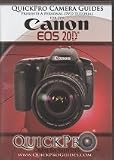
Canon EOS 20D - Tutorial QuickPro Camera Guides (DVD)

One hour long tutorial DVD for the Canon 20D (play in your CD-ROM or any DVD player).Comprehensive Training , including all Features and OptionsMenu Based for easy Navigation and ReferenceEmmy Award winning Host - Todd HansenHundreds of stunning photographs - including Expert and Analysis.
Customer Review: Great tutorial!
At first, I thought I wasted money. The DVD starts with basic things like how to use AUTO mode. I mean come on, most people have used a point and shot camera. As the instructions developed the material became more substantial without being too technical for the lay person (like myself) to grasp various concepts of digital photography. In retrospect, it was great that the author(s) assumed their audience knew nothing about digital photography. The DVD covers every important detail needed to have a solid foundation to start using the 20D with confidence. Worth it!
Customer Review: Fantastic DVD! The best one out there!
I was reluctant to order this DVD since I've been burned before on hoping to get your moneys worth. Well, this DVD is well spent $$!! I had been pondering taking a photography class, in my opinion I learned well beyond what a class could teach me and it wasn't about cameras in general, I learned all about my own model. I loved being able to freeze it when I want to try on my camera what he shows us to do and I can watch it over and over again. The great thing too is there's tips on also how to take better photos. The information is fantastic, informative, and again, cheaper than a class! Definitely worth purchasing. This is a must-have for Canon users! :o)


I have just recently discovered that there is such a thing as stock photography. I have browsed the internet for some agencies that sell stock photos and also browsed through to see what they really are.

Basically stock photos are photos that you have on your computers, stored or stocked. There are agencies that accept photos and sell them on the internet via their site. There is also a branch of this called micro stock photography. These are small photos that sell for somewhere from $1 or below.

This may be a profitable business if you know what you're getting into and if you really know your way through. Your photos can be downloaded a couple of times and you get a percentage of the sale price for this.

Most of the pictures that I saw in their portfolio are photos of people doing activities or going about their daily tasks. Neat pictures with white or black background are also the most downloaded.

You would probably ask why these simple photos get downloaded a lot of times. This is because the buyers of stock photos use them on their site or on magazines or as clip arts for certain uses. The buyers of stock are mostly web or graphics designers that don't have the time to create their own graphics for a project.

The ultimate tip if you wish to get into this is that you must take really good photos and you are clear of how the photos are going to be used. Considering the buyers and where they will use it, you'll know exactly what photos to take. It is also recommended that you search through the stock photo sites and see what is selling and what's not so you don't waste your time taking pictures that won't sell.

I'm going to share a good source for more tips regarding making money taking photos. You can check out this eBook titled Profitable Photography.

You'll find that eBook very useful as it has tips on how to start your Photography business and how to market it.

See more in: http://checkthemoney.blogspot.com

Deltran Battery

Thursday, January 29, 2009

7302A001AA, BTI-CNNB2L, DDNB-2L, NB-2L, NB-2LH Replacement Battery for Canon Digital Camera

7302A001AA, BTI-CNNB2L, DDNB-2L, NB-2L, NB-2LH Replacement Battery for Canon Digital Camera: PowerShot S30, PowerShot S40, PowerShot S45, PowerShot S50, PowerShot S60, PowerShot S70


First of all we must distinguish between two types of cameras: Digital Cameras and SLR Professional cameras.

If you want a decent camera that you will use to take pictures within the family, holiday pictures or simply even taking pictures of items to list on eBay, then a digital camera is for you. It is small, compact and at just the right price range for the average man/woman.

If you are in the media however, a professional photographer or take up photography as a hobby, SLR Professional cameras are for you. These are much bigger, better in quality but far more expensive than your average digital camera on the high street.

What to look for when choosing the right camera for you:

I have just differentiated the two major types of camera, but what do you want to look out for to suit your needs. In the following text, you will be able to figure out the right type of camera for yourself.

PIXEL RESOLUTION:

Pixels are actually tiny dots on a digital image that make up the picture. Basically, the higher the number of pixels in your image, the better the quality. This is because the camera is able to fit more detail into the image since there is a higher spacial capacity for the pixels to fit into. This will also enable you to enlarge your image to higher pixel dimensions without creating a pixelated image (when the image is enlarged to a point that the pixels cannot fit into each allotted space so it becomes blurry). For people using digital cameras 4-7MP cameras would be a reasonably good size of Megapixels. However for SLR Professional cameras you'd be looking at about 10MP+. Obviously the more megapixels in a camera, the higher the cost.

LCD SCREEN:

The LCD (Liquid Crystal Display) screen allows the photographer to view the picture he/she has taken straight away to check if the picture needs to be retaken. It also acts as a viewfinder for the photographer so they don't have to look through the actual viewfinder. For a digital camera, they vary from 1.5-2.5 inches but on a SLR Professional they usually start from 2.5 inches and the screen size increases.

OPTICAL ZOOM:

This enables the photographer to zoom in on an object without any loss of picture quality. Depending on the magnification number, you can zoom in more. For a digital camera, the optical zoom is on average 3.0-5.0 (odd cases of special digital cameras have an optical zoom of 6.0-10.0, but are in the region of 350). SLR Professional cameras go from 6.0+.

DIGITAL ZOOM:

This feature enables the photographer to zoom in on the centre of the picture removing the edges of the image (on PC). However, depending on the MP resolution of your camera, the image can become fuzzy so be careful. Digital cameras can easily vary on average from 2.0-8.0 and the same range for the SLR Professionals, except some will exceed 8.0. The higher the zoom the better the camera.

AUDIO & MOVIE CAPTURE:

This allows you to record sounds and moving images at the same time, in exactly the same way as a camcorder does. Some cameras even contain a facility that enables them to play the video footage on TV from the camera, so all can watch in a better picture quality. This comes both on digital and SLR Professional cameras.

IMAGE STABILISATION:

This feature enables the photographer to capture still images of something moving very fast, such as a cheetah. The camera is able to freeze the picture within those milliseconds of time to create a clear quality picture image. You can also use this feature in low light conditions. Both types of camera usually have this feature.

MEMORY:

Cameras either have internal memory, memory card slots or both. Different cameras have different sizes of internal memory and are able to use different types of memory cards. The types of memory cards are important because this will tell you what type of memory card is need to expand on the existing internal memory. Digital and SLR Professional cameras contain between 8-96MB of internal memory but the memory cards that you can buy to expand the memory capacity vary between 16MB-2GB(2048MB).

PRINTING:

Nowadays you can buy special printers, depending on the compatibility of your camera, to print off your pictures without connecting it to a PC. This applies both for digital and SLR Professional cameras.

Thank You for reading this article.

Hi there,

My name is Syed Abedin and I am currently a Mortgage Advisor. I own a credit card comparison website called Credit Cards UK. My site will search the market for credit cards with the best rates to suit your needs. All you need to do is to go to http://www.creditcardsuk.org.uk/ and sign up for the credit card(s) the suits you best for FREE.

I also own a website called http://www.dial4u.co.uk/ which sells insurance plans and phones. I also have a very cheap unlocking service that will unlock your phone instantly. The phones range from Nokia and Samsung to Sony Ericsson and LG.

If you have any queries, email me at spzat8@btinternet.com

Thank You for reading my articles.

TomTom GPS

Tuesday, January 27, 2009

Canon EF 70-200mm f/4 L IS USM Lens for Canon Digital SLR Cameras

Canon EF 70-200mm f/4L IS USM lens offers the highest possible optical quality with no change in aperture over the focal range of the lens. This allows photographers to set exposure at the widest aperture and zoom all the way through to 200mm without having to decrease shutter speed. Developed for use with a Canon SLR camera, this autofocus telephoto zoom lens offers optimized use with the Canon EOS series digital cameras. Of particular note, Canon has introduced an image stabilizer (IS) that adjusts to meet the demands of professional photography.
IS reduces dramatically the image blur caused by camera shake. Gyro sensors detect unwanted vibrations, triggering the corresponding movement of a correcting lens group perpendicular to the optical axis. This alters the light path, returning the image to its correct position on the sensor or film plane. For shooting immobile subjects, Mode 1 corrects for movement in the image along both the horizontal and vertical axes. For shooting while panning horizontally to follow a moving subject, Mode 2 turns off vertical correction and prevents the effect of dragging the subject back through the frame.
The lens' Ring-type USM employs ultra-sonic frequency vibrations to drive auto focus with unrivalled speed and near-silent operation. A powerful CPU and improved AF algorithm contribute to speed performance. The EF 70-200mm f/4L IS USM includes distance metering information, providing compatibility with the E-TTL II flash system of late model cameras such as the EOS-1D Mark II, EOS-1Ds Mark II, EOS 5D and EOS 400D. When used in conjunction with Canon's range of EX Speedlite flash units, the lens passes distance information to the flash algorithm for markedly improved flash exposure metering. Includes Lens hood and soft pouch
Customer Review: It's an L lens. What else do you need to know?
If you know anything about L lenses, you know they are expensive. This is an entry level model. There is something about twisting silky smooth lens rings that is very pleasant. If you want to twist plastic, open peanut butter jars.
Customer Review: I LOVE this lens!
For five years, I owned a Canon Rebel and used a Canon EF 70-300mm f/4-5.6 IS for my telephoto lens needs. Honestly, I was never thrilled with the quality of the photos that came from that combination of camera and lens. My 2 week trip to Greece & Turkey last spring gave me the incentive to finally upgrade my camera (to a Canon 40D) and get better glass. Yes, it was time to buy my first L-series lenses. So I bought both this lens and the 24-70mm f/2.8L. As they say, "It's all about the glass," and I am here to tell you that 'they' are RIGHT! As I go through the many photos I took on my trip, I am thrilled by what I am seeing. The quality (in terms of detail, sharpness, color, etc.) is lightyears ahead of what I've been experiencing. WHY did I wait so long??! The cost, of course. It can be challenging to fork out over $1000 for a lens. Only you can decide if it's worth it for you. I also looked carefully at the Canon EF 70-200mm f/2.8L, with and without the image stabilization, and I narrowed it down to these factors: - IMAGE STABILIZATION - In my opinion, Image Stabilization is a MUST for a telephoto zoom like this. Camera shake is death to the quality of a photo, and once you get over 100mm in length it's hard to avoid completely. Who wants to carry a tripod everywhere you go and/or be severely limited in low-light conditions? - COST - To get the f/2.8L with IS, you're looking at $1700. Yikes. This lens is 1/3 less. - WEIGHT - The f/2.8L is obviously a gorgeous lens, but it's also significantly larger and heavier than the f/4L - increasing the need for image stabilization and/or frequent use of a tripod. I wanted more of a walk-around lens, so the lighter weight of the f/4L along with the fine IS capabilities meets my needs quite nicely. And now that I am seeing the results, I couldn't be happier. The quality is STUNNING, including the sharpness, the color density, and the detail in the highlights and shadows. I only wish I would have bought it sooner and saved myself years of frustration while taking photos with mediocre glass.


Acer Aspire 3100 unites you the best in efficient computing powers and multimedia entertainment. This model of a laptop is perfect for businessmen and college graduates, for children (to do their homework on his laptop) and for office workers, in other words for everyone.

What is the most important thing in any laptop? The most important thing in the laptop is processor. Acer Aspire 3100 has the best powerful processor AMD Sempron 3500+ 1.8GHz. This powerful processor provides a powerful work of the laptop. With the help of this processor the laptop works very quickly.

The 512MB DDR2 533 SDRAM memory is quite enough for running multiple applications. It is possible to make a conclusion that this model of a laptop is quite powerful, not every model of a laptop will allow you to run multiple applications without a decrease in performance. However, this Acer Aspire laptop allows you to do it.

There are many people who cannot live without music and they often complaint that they do not have enough spec on hard drive disk in order to let them store their favorite music. With a spacious 80 hard drive disk space everyone has a wonderful opportunity to store not only working documents, but favorite audio files as well.

A 15.4 inches display is very bright and colorful, watching movies on this laptop's display is a real pleasure. You will be amazed by the brightness and crystal clarity of this display. Windows Vista Home Edition is an operating system of this laptop. It works absolutely great.

Acer laptop reviews

UGG Classics

Monday, January 26, 2009

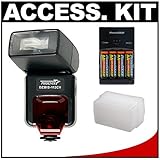
Phoenix DZBIS-112iTTL Digital Autofocus Flash (E-TTL II, E-TTL, TTL) + Sto-Fen Omni-Bounce Diffuser + 4 Batteries & Charger for Canon EOS Rebel XT, XTi, XS, XSi, 20D, 30D, 40D, 5D Digital SLR Cameras

Kit includes:
♦ 1) Phoenix DZBIS-112CII Flash for Canon
♦ 2) Sto-Fen Omni-Bounce OM-300T Flash Diffuser
♦ 3) Multi-Voltage Rapid Charger with 4 NiMH Batteries

The powerful Phoenix DZBIS-112CII Flash is fully compatible with the electronics of all Canon EOS SLRs including Canon's E-TTL, E-TTL II and TTL dedication. It works automatically with the Canon Digital Rebel XT, XTi, EOS 5D, 20D, 30D, and all other EOS SLRs. The Phoenix DZBIS-112CII has an impressive guide number of 112 which allows you to shoot up to 3X further away than your camera's built-in flash with improved color, more natural lighting, and added depth to your pictures. The height of the DZBIS-112CII helps to greatly reduce or eliminate red-eye and its flash head bounces and swivels for professional-looking portraits. Great looking flash pictures aren't just about how powerful or expensive the flash is, it's about the quality and texture of the light (soft and diffuse versus direct and harsh). Phoenix DZBIS-112CII includes: Instructions; Phoenix USA Warranty.

The Sto-Fen Omni-Bounce is a compact diffusion dome that easily attaches to your flash to create a beautifully diffused lighting effect which results in soft wrap-around lighting on the subject and provides a softer and less noticeable shadow behind the subject. The Omni-Bounce is very easy to use and simply slips onto the head of your flash with a snug, custom fit — without requiring any complicated velcro or adhesive attachments or any modification that might mar the appearance of your flash. In addition, it is conveniently compact to easily fit in your pocket or gadget bag.

Provide your camera with plenty of power with 4 ultra-high capacity 2900mAh Nickel Metal Hydride (NiMH) batteries and a multi-voltage rapid charger.
Customer Review: Great Job!!
First off, I'm a complete amateur, I didn't realize the benefit in an external flash until a couple of weeks ago when i was at a in-door wedding , the professional photographer had a high end flash for her Canon 5D. By chance a few of the photo's i snapped on my XSI were captured with the flash from the pro and those were the best shots in my batch of photos, i was sold. Anyway, after using this flash for the past week, i am very satisfied with the major improvement in the quality of my indoor shots. The good thing is, is that i have no idea what the difference is between this and the Canon version. The canon's looks nicer and it's probably better built. However for the money spent i'm lovin' it, i can take indoor shots that look great, just bounce the shots off the ceiling or walls.
Customer Review: Cheap, but Good enough
I dig it. as a semi-professional this works very well for me...it does look funny on my XTI (its huge in comparison to the camera). The recycle time with the Batteries supplied in this packages is awesome. For the most part once it charges i can shoot continuously. The flash seems bright enough to cover a fair amount of space at ISO 100, so i assume that at higher ISO it will cover a massive area. The diffuser is wonderful(then again its just plastic) Speaking of plastic this whole Flash is plastic and you need to be careful with the hot-shoe connector or you will strip the threads. What can i say, for $100 you cant go wrong with the one.


Flat panel display televisions are gaining popularity these days as they improve visibility and reduce glare due to reflection of external light. These televisions are encompasses a growing number of technologies enabling video displays that are lighter and much thinner than traditional CRT television. Flat panel display TVs can be categorised into Volatile and Static. This kind of display televisions are balance their smaller footprint and trendy modern look with high production costs and in many cases compared with traditional CRTs. The flat panel televisions are being preferred by the consumers as they minimize eye fatigue, reduce image distortion and provide a wide range of visibility. These panels have exceptional colour accuracy and has the ability to display up to 16.77 million colours.

Plasma TV, Liquid crystal displays (LCDs), Plasma TV, Organic light-emitting diode displays (OLEDs), Light-emitting diode display (LED), Electroluminescent displays (ELDs), Surface-conduction electron-emitter displays (SEDs), Field emission displays (FEDs) and Nano-emissive display (NEDs) comes in the Flat display category.

In this modern time people want to increse their living standard. They want to have the best and the latest in technology. When it comes to Television set most of them prefers LCD TV. A LCD television provides a richer and higher resolution of colours as compared to the conventional CTR television. These televisions are comprises of two glass substrates that are separated to form a predetermined space into which a layer of liquid crystal is injected. These TVs come with a very light weight, elegant design, less power consumption and excellent picture quality. These thin televisions can be placed almost anywhere in your home or office. For these features, LCD TVs are mostly preferred by people.

Know more about Latest LCD TV and other buy Cheap TV Accessories here.

Garmin C340

Saturday, January 24, 2009

Canon WP-DC2 Underwater Housing For A540 Digital Camera

Canon WP-DC2 Underwater Housing Free lanyard Free Flash Diffuser  Free silicone grease Free neck strap For the A540 Digital camera Full function camera capabilities DEPTH RATING: 130 feet FULL MANUFACTURER'S WARRANTY *SCUBA diving equipment


I have found that more and more photobuyers are realizing the benefits the Internet affords them for photo research. We talk with ten to 20 photobuyers each day. As more and more computer-literate photo editors come on board who know how to utilize the Web, photographers will flourish.

The automobile, airplane, and the telephone launched huge leaps in communication among peoples of the world, and so do the capabilities of the new Internet delivery system. But the Internet goes even farther. It affords independent photographers the delivery power that was once the domain only of the large stock photo agencies.

As a photographer, now that your images can be both pre-viewed and transmitted electronically, you can open the curtain on a brand new horizon of opportunity for yourself.

The top dog major stock agencies are no longer, well, top dogs. In the past, creative persons, whether songwriters, musicians, photographers, filmmakers, etc., had no way of competing against the middleman agents. It was near impossible to break into the ranks and get the attention of the buyers directly.

The World Wide Web has changed all of this. For example, if a major publisher is producing a book, CD, magazine article, Web review, TV special, on agricultural growth of cucumbers in Venezuela, there would be no reason to turn to a large digital stock agency to seek the needed images. Using web search engine efficiency, a buyer can, in minutes, locate photos from independent freelancers, and save money by eliminating the middleman.

Also important, images from a corporate stock agency would usually be 'generic' in commercial style (smiling, contented farm workers (usually models), shiny new equipment, clean landscapes, etc.) This type of photo isnt the primary choice of most editorial buyers, who want real-life, on-the-scene images.

THE AGE FACTOR

Furthermore, many agency images would be at least 6 to 12 months old. (It takes that long for the corporate bureaucracy at most major stock photo agencies to acquire, edit, catalog, and process a single image.)

The individual stock photographer not only has more recent photos, but can in fact, within hours, produce the needed photo and deliver it to the buyer, in high resolution, from anywhere in the world, to anywhere in the world.

Independent photographers are able to use key words, plus the power of search engines such as Google, to offer delivery speed to buyers. Photobuyers are realizing it's to their advantage to deal directly with independent stock photographers.

Rohn Engh, veteran stock photographer and best-selling author of Sell & ReSell Your Photos and sellphotos.com, has helped scores of photographers launch their careers. For access to great information on making money from pictures you like to take, and to receive this free report: 8 Steps to Becoming a Published Photographer, visit http://www.sellphotos.com

New Balance Shoes

Thursday, January 22, 2009

It's Time To Really Get Going With Digital Photography

In order to be a photographer, you must be able to make decisions, not simply point a camera and press a button. Photography can be an important activity as it can help people, adults and children, understand what the media projects every day. Besides that, it is a good hobby, and photography can help people understand the world around them, especially through someone else's eyes. It is a great way to bring together a community project as well.

One has to be very careful when handling a camera, otherwise you can leave fingerprints on the optics of it. The problem with fingerprints on the optics is that your pictures won't turn out as clear in some parts as they could. In order for peak performance, and clear pictures, make sure you clean your camera all over regularly with the right cloth and solution. Not all cleaning products work on the optics, such as tissue paper, fingers, saliva, or household cleaning solutions. Only use what you can get at a camera store.

The autofocus of most cameras has a two-step shutter release. Pressing the button down half-way locks the focus of the picture, and pressing it down all the way takes the picture. Depressing the shutter only half-way allows you to select what part of the picture you would like to be clearly focused; after holding the button halfway down, you can move the picture so that the subject is where you want it to be and yet is still focused. Always press the button gently, not jerkingly, so as not to move the camera too much from the frame and composition.

Depth of field is all the objects in the foreground and the background around the subject of your photo, and they will be in focus as well as your subject. The focusing distance and the size of the image, as well as the aperture you're using, can change the way depth of field is perceived. The larger the aperture, the smaller the depth of field. For example, if you move closer to your subject, the depth of field would decrease. If you move farther away, or use a smaller aperture, the depth of field would decrease.

One aspect of taking a pleasing photograph is depth of field. When you look at a picture, you will notice that all the area surrounding the focused subject is also focused. This area is called depth of field. In order to change the way the depth of field in a picture is seen, focused, and lit, you must change the width of your lens. The wider the lens is, the smaller the depth of field will be. To decrease the depth of field you can also move closer to your subject. To increase it, you can use a smaller lens or move further away from your subject.

To take a successful landscape picture, you want the whole thing to be in focus. You'll want the focal length to be as short as possible, to create a greater depth of field. You can use the rule of thirds to create a balance between land and sky. Also, having a subject, such as an object in the foreground, might give a better sense of dimensionality. When photographing water, you will want to use a slow shutter speed, giving the impression of water flowing, and when photographing the sea, add a polarizing filter and give the water a transparency effect.

In order to take a panoramic picture, you must have a tripod. Set your camera on the tripod and make sure that it can swivel smoothly only left and right; you don't want it to go tilt up and down. If this happens, your resulting picture will not look right. You'll have to mentally note where the edges of your picture are, so that you can know where to overlap the next ones. Keeping the tripod planted in the same place, swivel the camera to one side, left or right, and take a second picture overlapping part of your first shot. Continue to do this until you have all the pictures you want. To put them all together, all you have to do is use a basic graphics or picture editing program to put them all in the right order, and you will have a panoramic picture!

Would you like to learn more about digital photography? Find out more by reading this free report

Crocs Mammoth

Monday, January 19, 2009

Canon WP-DC15 Waterproof Case for Canon SD850 Digital Camera

Underwater Case for PowerShot SD-850 Digital Camera. Capture those underwater shots or use worry-free during inclement weather. Case also provides protection from sand, dirt and dust. Waterproof to 100ft.For the underwater enthusiast, Canon offers an optional waterproof case weight (WW-DC1) that is compatible with all of its underwater housings. Available in packs of four, these weights allow the camera to stay put for steady underwater photography.
Customer Review: Best Invention Ever!!!
This is the best thing I have ever bought!!! It didn't fog up at all!! My camera fit perfectly and it was so easy to switch between pictures and video. The pictures came out so clear.
Customer Review: Works great!
I recently bought this case along with the SD850 camera for a trip to Peurto Rico. I never had the chance to try it in the ocean, as my camera was stolen on day 3, but I was able to try out the camera/housing in the pool at our hotel. The case is easy to load and unload, and all your camera functions are usable underwater. It even records sound underwater! The only downside is that unless you know the camera controls, you'll have a hard time reading the VERY faint embossed tags on the case itself$acqnocker to remind you what the controls are, but I never found a good place to put it. All in all, a very good case, highly recommended. I did not have a chance to try out the flash diffuser.


Below is a list of 50 poses to use when photographing a wedding. Use variations of these and add your own to expand the list.

  • Bride looking into mirror with Maid/Chief Bridesmaid in attendance behind
  • Bride, three-quarter length, looking at you, then away from you.
  • Bride, head and shoulders portrait, one with soft focus, one without.
  • Bride seated, looking down at flowers then looking towards you.
  • Bride with her parents, both together and individually.
  • Bride with other members of the family.
  • Parents together.
  • Bride with soft focus parents; using selective soft focus.
  • Bride kissing father.
  • Shot of leaving house.
  • Groom and Best Man arriving at church.
  • Groom and Best Man shaking hands.
  • Groom and Best Man exchanging ring.
  • Best Man and ushers pulling Groom towards church door
  • Best Man reading "Best Man's Duties" book!
  • Portrait of Best Man.
  • Portrait of Groom.
  • Groom and Best Man with ushers.
  • Bride's mother on usher's arm
  • Groom standing alone (full shot and shot)
  • Group shot of groom and groomsmen or ushers
  • Groom with ring bearer
  • Groom with father
  • Groom with mother
  • Groom's mother on usher's arm
  • Bridesmaids arriving at church, pose outside car
  • Bridesmaids posed together, three-quarter length and full-length.
  • Bridesmaids with Ushers, together and individual portraits.
  • Portrait of Best Maid/Chief Bridesmaid.
  • Bride and Father seated in back of car, arriving at church.
  • Father posed helping Bride from car, move bride to edge of car seat.
  • Bride&Father, with Bridesmaids following, walking towards church.
  • Bride and Father in church doorway, full and Three-quarter length.
  • Bride and Father with Bridesmaids and Minister.
  • Best Maid Chief Bridesmaid attending to Bride, adjusting her veil.
  • Bridal party standing prepared to walk into church.
  • Bridal party walking down aisle toward alter.
  • Exchange of rings during ceremony .
  • Groom kissing Bride immediately after marriage pronunciation.
  • Bride and Groom with soft-focus.
  • Bride and Groom signing register - looking at you/at register.
  • Bride and Groom signing with witnesses at either side.
  • Close-up of hands signing marriage certificate.
  • Bride and Groom with the Minister.
  • Coming down the aisle - full length.
  • Bride and Groom at church door looking back inside towards you.
  • Bride and Groom in church doorway, full length and three-quarter length.
  • Bride and Groom with his parents,
  • Bride and Groom with her parents.
  • Bride and Groom with both sets of parents.

The list of potential groups and individual shots is limited only by your imagination, and by how quickly you can work with the wedding party.

Do you want to learn more about how I do it? I have written a comprehensive guide on wedding and group photography.

Visit my site for more information Wedding and Group Photography Guide

Bobby is a photographer and author. He has been commissioned to shoot thousands of events, including weddings.

Aldo Shoes Online

Sunday, January 18, 2009

7649A001AA, BP-1LHCL, C84-1008, DDNB-1L/1LH, NB-11L, NB-1L, NB-1LH Replacement Battery for Canon Digital Camera

Battery for Canon Digital Camera: Digital IXUS: 200a, 300, 300a, 320, 330, 400, 430, 500, V, V2, V3, 200A, 300A IXY Digital: 200, 200a, 300, 300a, 320, 400, 430, 500, S200, S230, S330 PowerShot: S100, S110, S200, S230, S300, S330, S400, S410, S500, S100, S300


Purchasing a digital camera is a wise decision, particularly if you take a lot of pictures and you want to control how they are developed. Camera prices continue to plummet and Americans are exchanging their 35mm cameras for digital devices at a record pace. The choices for you can seem endless, but with careful comparison shopping you can bring home a bargain! The following online sites provide visitors with helpful information to make an informed decision:

BizRate.Com Visitors to this site will find out all the information they need as the site offers excellent price comparison of the various camera models available. In addition, visitors submit their own product comments which can be a huge help as you decide which model to purchase. Detailed information about the various products available is also online to make your visit rich and informative. Finally, visitors rank the stores too!

PriceGrabber.Com What was said of BizRate.Com can be said of Price Grabber. Plenty of site reviews for you to read too!

MySimon.Com Another in a series of online comparison stores. You might not find it as user friendly since you may have to dig for some of the information. Still, they offer the same information as Biz Rate and Price Grabber. Certainly, My Simon is worth a closer look!

Maybe online purchasing is not your desire. Perhaps you would prefer to purchase your camera at a local store? If so, use the three sites above to do all your research and then go to your local Best Buy, Circuit City, or other digital camera retailer and see what they have to offer. Each of the big retailers has nice web sites and they run weekly specials that may or may not be picked up by the comparison sites. A big plus: you get to go to the store and get a hands on feel for the camera and talk to a knowledgeable salesperson. Returns are easier too if purchased at a local retailer.

Still, not sure you should purchase a digital camera? Lets look at three important advantages of owning a digital camera:

1. Pictures are available to you instantly. You can preview your picture; if you dont like the picture you took, you can erase it and take another picture.

2. Good resolution. If you are taking 3x5 or 4x6 pictures, your pictures will turn out to be sharp. If you are a photographer, you will still need the 35mm camera for 8x10 shots. Digital is improving, but the resolution isnt quite on par with 35mm cameras when it comes to larger pictures.

3. Eliminate development costs. No more running down to the local drugstore for picture development. You can do it all from your computer; there are now some excellent photo printing machines you can purchase that will print out crisp photos at a low cost to you.

All in all, the digital camera revolution is exploding. Join in by shopping the web for great bargains!

(c)2005; Matthew C Keegan, LLC

Matt Keegan is The Article Writer who writes on a variety of topics including aviation, business, customer service, product review, sales, and more. Visit http://www.thearticlewriter.com for additional samples of his work.

Alli Weight Loss

Saturday, January 17, 2009

Tamron AF 28-80mm f/3.5-5.6 Aspherical Lens for Canon Digital SLR Cameras

A standard zoom lens from a wide 28mm to a medium telephoto range fo 80mm. The use of aspherical elements in the front group reduces the number of elements required. The use of strong engineering plastic in the barrel makes the body a light 237 Consequently, it is easy to carry. Item Specifications: Product Description: Tamron zoom lens - 28 mm - 80 mm Manufacturer Warranty: 6 years warranty Weight: 8.4 oz Localization: English Length: 3 in Min Focus Range: 27.6 in Lens System: Zoom lens Optical Zoom: 2.9 x Lens Aperture: F/3.5-5.6 Focus Adjustment: Automatic, manual Focal Length: 28 mm - 80 mm Mounting Type: Canon EF Lens Construction: 7 group(s) / 7 element(s) Filter Size: 58 mm Special Functions: Zoom
Customer Review: Its OK
Well this lens is cheap (as we can see from the price). There is a reason for that. This lens is noisy, I didn't know a lens could make my pictures get noisier, but this one does. Shooting at ISO 100 I was getting noise equal to shooting on ISO 800 with an XTi. I do most of my shooting for the internet so it's not too big of a deal, but if I were to shoot with this lens for print, I would not use the images. I will admit that it's nice that the lens came with a hood and for the price it's not bad. The plastic construction makes it feel really cheap (or light whatever way you want to take it). I would recommend this lens to anyone who needs something versatile and dispensable. I feel that if I were to be shooting in a mosh pit and this lens broke that it would be a small loss opposed to breaking a Canon lens worth at least twice the price. If you want to buy a similar lens that is superior to this lens I would suggest taking a look at the Sigma 28-70mm f/2.8-4 DG AF Lens for Canon. The quality of the images from that lens surpasses this Tamron lens. If that doesn't float your boat stick to the tride and true canon lenses.
Customer Review: Great Lens Great Price
I'm not a professional photographer but this lens works great for me. I love it! and would recommend to anyone looking for a great product at an affordable price


All digital images are made from grids of tiny squares (pixels) with most cameras using anything from 2 to 12 million (or 2 to 12 Megapixels). When you print your images, the most important thing is that the pixels must be so small that they are invisible to the naked eye. This prevents the print looking like a pattern of tiny squares giving the dreaded "fuzzy" or "pixellated" appearance but just how small do the pixels need to be?

Print resolution is measured using pixels or points per inch (ppi). The higher the ppi, the smaller the individual pixels in the image and the less likely you are to see them and the sharper the print will be.

A 100 ppi print has 10,000 pixels per square inch, which means that there are 100 ppi horizontally, and 100 ppi vertically. The consensus is that for true photographic quality you need to be printing at around 200 ppi, which corresponds to 200 x 200 = 40,000 pixels per square inch. This guide is based on viewing the prints from a distance of around 18 inches - the average viewing distance. If you are going to hang a print on the wall however, you can get away with much lower resolutions as you will be viewing it from a greater distance.

Images taken with a digital camera have a fixed, maximum number of pixels dependent on the CCD sensor chip of the camera. If your camera has a 5MP (5 million pixels) model you can easily work out the maximum print size by using the relationship:

Print size = number of pixels divided by the print resolution

So for a 5 million-pixel image at 200ppi (40,000 pixels per square inch) the maximum print area is:

5 Mp = 5,000,000 divided by 40,000 = 125 square inches, or roughly 10 x12 inches.

Similarly, we can calculate other sizes

3Mp = 3,000,000 divided by 40,000 = 75 square inches or roughly 10 x 8 inches

4 Mp = 4,000,000 divided by 40,000 = 100 square inches or roughly 10 x 10 inches.

6 Mp = 6,000,000 divided by 40,000 = 150 square inches or roughly 10 x 15 inches

8 Mp =8,000,000 divided by 40,000 = 200 square inches or roughly 12 x 16 inches.

If you have Adobe Photoshop or Photoshop Elements or a similar program you can see all this worked out for you. Click on "Image" from the main menu and then on "resize image" and make sure the 'resample image' option is not ticked (click on it if it is ticked) and you will be shown the maximum print size that corresponds to your image.

Many people wonder why everyone quotes a recommended print resolution of 150-300 ppi when their inkjet printer has a maximum resolution of 2880 dpi or even higher. The reason is a simple one. Inkjet printers use tiny dots of ink in three, four, six or more colours to reproduce all the colours necessary to achieve a vast range of colours using complex 'dithering' patterns.

These dots are incredibly small. For example at 2880 dpi, there are over eight million dots in each square inch of the print. However, more than one dot is required to represent a single pixel, which is why printer resolution is dots per inch and print resolution is pixels per inch.

Now that you know how it all works, you will know how to determine the maximum print size you can achieve without running the risk of producing "fuzzy" prints.

If you like being able to make very large prints, it will also help you to decide the Megapixel value of your next camera. So if you like to regularly produce 12 x 16 inch prints that look fabulous, you may decide to purchase an 8 Megapixel model.

My name is Peter Martin Jones and I enjoy computing and photography in both film and digital formats.

If you would like to look at a completely free book on digital photography and other freebies, then you may like to visit my web site at;

http://www.picturememory.co.uk

The book covers everything from choosing a camera through editing your images to scanning your old film negatives and slides and uploading your image files to the internet. Everything you need to know for successful digital photography.

The book is based on my experience as a photographer and the many questions I have been asked by people who find some aspects of digital photography confusing or who simply want more information.

Merrill Shoes